
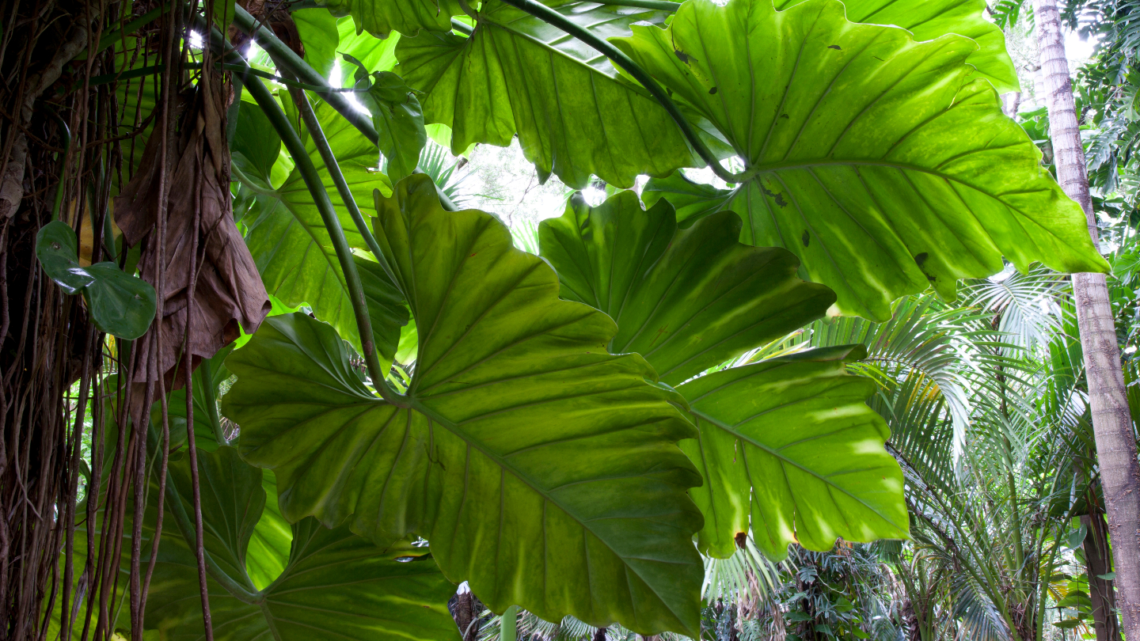
Trees lock carbon through photosynthesis, a process where they use sunlight, water, and carbon dioxide to produce energy, releasing oxygen as a byproduct. Each year, a mature tree can absorb up to 48 pounds (22 kilograms) of carbon dioxide, converting approximately 13 pounds (6 kilograms) of carbon into biomass—wood, leaves, and roots.
This carbon remains locked for decades or centuries, depending on the tree’s lifespan and the forest’s stability. In tropical regions like Sri Lanka, fast-growing species in analog forestry systems amplify this capacity, turning atmospheric carbon into a renewable resource.

Leave a Reply