
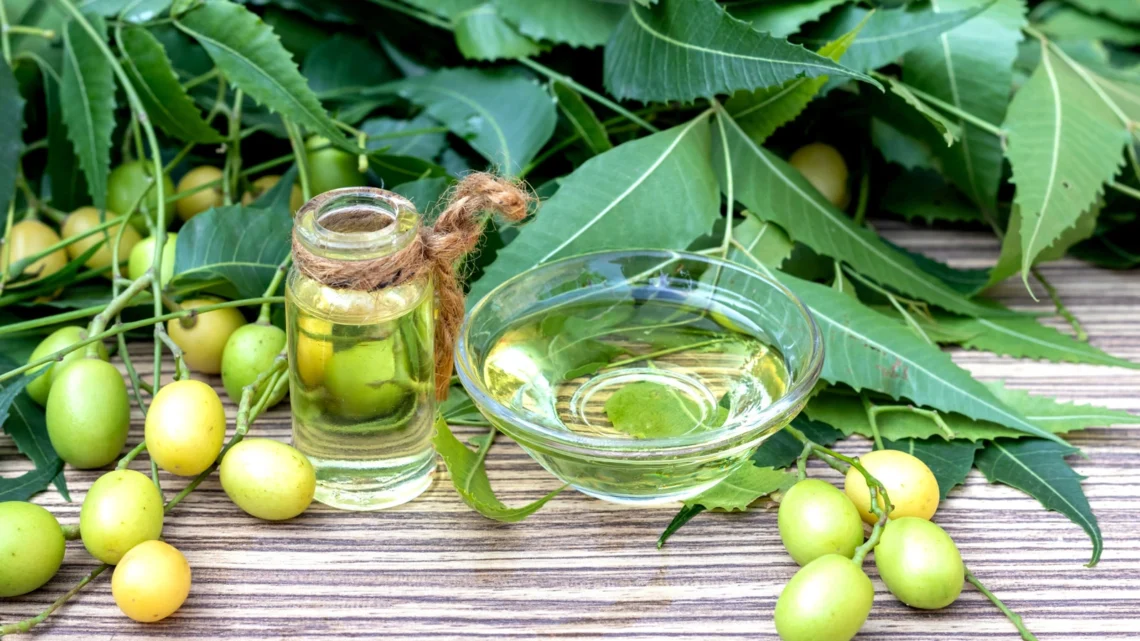
In Sinhala, it’s called Kohomba, while Tamils know it as Vembu or Veppai. Its Sanskrit name, Nimbha, hints at its ancient roots in the Indian subcontinent, but Sri Lanka has made it its own. Traditionally, Kohomba trees were planted in front of homes to purify the air and repel insects – a practice still seen in rural villages today. The tree’s antiseptic qualities are well-documented in Ayurveda, with experts like Chandi Perera from the University of Colombo noting its effectiveness against infections. During outbreaks of diseases like chickenpox, families would lay neem leaves on beds to soothe blisters, a remedy passed down through Sinhalese and Tamil households alike.
The Kohomba’s medicinal uses are vast. Fresh leaves, mixed with salt and honey, are a Sinhala native remedy for intestinal worms, while the juice is prescribed for jaundice and skin conditions. Externally, leaves are applied to boils, ulcers, and wounds, harnessing their antiseptic properties. In Muslim communities, who often speak Tamil and share cultural practices with their neighbors, Kohomba branches are hung at gates to signal contagious diseases – a silent warning rooted in folklore. Burghers, descendants of European settlers, have also adopted these practices, blending them with their own traditions of herbal care.
Leave a Reply